Housing & community
Support Affordable Housing in Lake County by Building Skills, Too
In this article
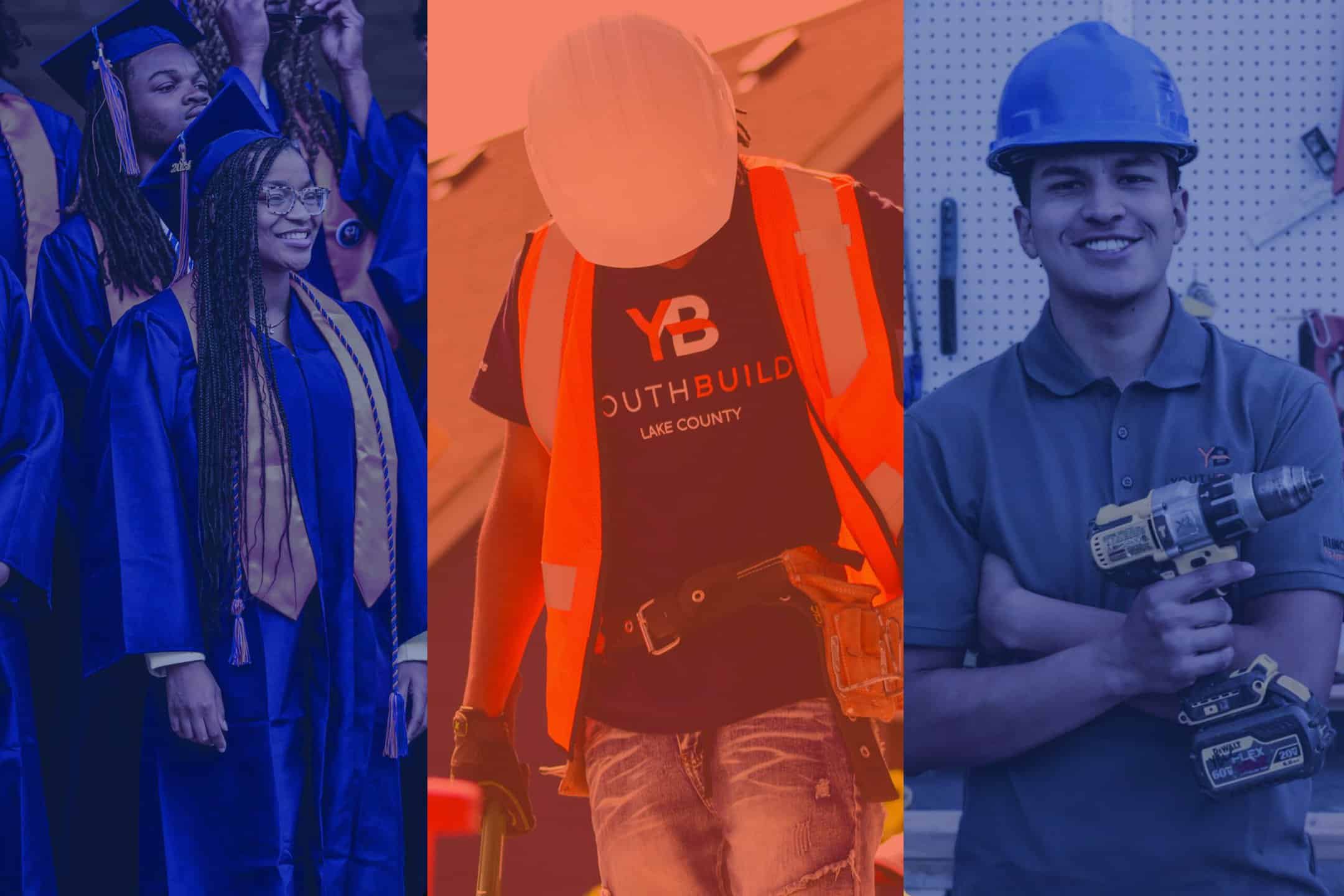
When you want to make a difference close to home, it helps to see what the work actually looks like. At YouthBuild Lake County, participants build and renovate affordable housing while developing construction skills. A project can contribute to a neighborhood and give a young adult experience to carry into a career. Supporting YBLC helps sustain the education, training, and practical support behind that work.
Why housing and workforce training belong together
Housing needs skilled people to build and maintain it. Young adults need opportunities to learn those skills in a setting where their work matters. YBLC brings those needs together through hands-on projects in North Chicago and Zion.
The broader need is substantial. The National Low Income Housing Coalition’s 2026 Illinois Housing Profile reports just 34 affordable and available rental homes for every 100 extremely low-income renter households in the state. That statewide rental measure is context for the need; it is not a count of YBLC homes or Lake County’s housing shortage.
YBLC contributes on a local scale through new construction and rehabilitation. Participants practice working with tools, following instructions, solving problems, and contributing to a team while helping improve housing in their communities. The physical project and the learning experience are both part of the purpose.
See the projects behind the mission
As of November 2026, YBLC’s Housing Projects map documents 12 projects: 11 completed and one in progress. Ten projects are in North Chicago and two are in Zion. Some include multiple housing units, so 12 projects does not mean 12 individual homes or households.
The inventory includes Sherman, Park I and II, Wallace, Honore I, and rehabilitation projects such as Joanna, Horeb, Hervey I and II, Seymour, and Grove. The Hervey projects involved Community Action Partnership of Lake County; the Seymour and Grove rehabilitations involved Renew.
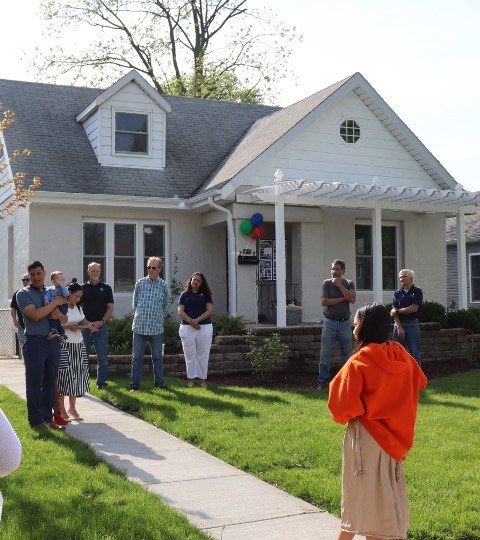
Those details make the work easier to understand than a single headline number. On the map, you can explore project years, photos where available, and partner information. You can also distinguish completed projects from the home still under construction.
What is happening on Honore?
Honore II is the project currently in progress. It is listed under 2027 in the project inventory and is the first of three planned new affordable homes on Honore. The 2026 Annual Report describes participants continuing construction on the first home.
The distinction between work completed and work planned matters. The next two planned Honore homes are not finished projects, and the current inventory should not be read as a promise that all three are complete. Donors can follow the project map and annual reporting as the work develops.
Construction training also reaches beyond one address or one building. The habits participants practice on a project—preparing for work, communicating with others, and learning a task carefully—can become part of their next step into the trades.
A donation supports the people behind the project
Materials and tools are visible. The support that helps someone arrive, stay engaged, and finish a program is less visible, but it matters just as much. YouthBuild combines classroom education and career preparation with connections to transportation, counseling, childcare assistance, and other practical resources.
YBLC’s 2026 Annual Report recorded 69 YouthBuild participants served and more than 10,000 participant service hours across Lake County. Those service hours include a range of activities; they are not all housing construction hours.
For donors, the connection is straightforward: support for YBLC helps sustain the organization that makes education, training, and community work possible. A general donation supports the mission broadly. If you want to discuss a gift specifically for housing or construction training, contact the team about current needs and available options.
You can also see how that training carries forward in graduates’ lives. LaQuon’s story describes his path into carpentry with ReNew Communities, connecting his career with affordable housing work. It is one example of the lasting relationship between learning a trade and contributing to a community.
Three questions to ask before making a local gift
Can I see evidence of the work?
Start with the project map, then read the annual report and graduate stories. Together they show physical projects, program results, and individual experiences. Each tells you something different, and all three help you understand what your support makes possible.
Does this gift fund one house or the wider mission?
The YBLC donation page supports the organization’s work. Do not assume a general gift is reserved for a particular home. For a housing-focused contribution, ask the development team to explain current opportunities before you give.
Can a business help in another way?
Yes. Companies can explore employer and corporate partnerships, including work experiences, workplace tours, mock interviews, and service opportunities. Ask about current needs before planning a group project or offering materials.
Make your next gift part of a local future
Affordable housing work gives young adults a way to practice skills while contributing to the places they call home. Their progress depends on people willing to invest in both the work and the learning behind it.
If you are looking for a Lake County nonprofit that connects education, career preparation, and community impact, take a closer look at YBLC. Explore the projects, read the results, and choose the way you want to get involved.
Want to discuss a housing-focused gift or partnership? Email development@youthbuildlakecounty.org.
Program and project information checked November 11, 2026. Sources include YBLC’s current program pages and 2026 Annual Report; external data are linked where cited.